
Introduction
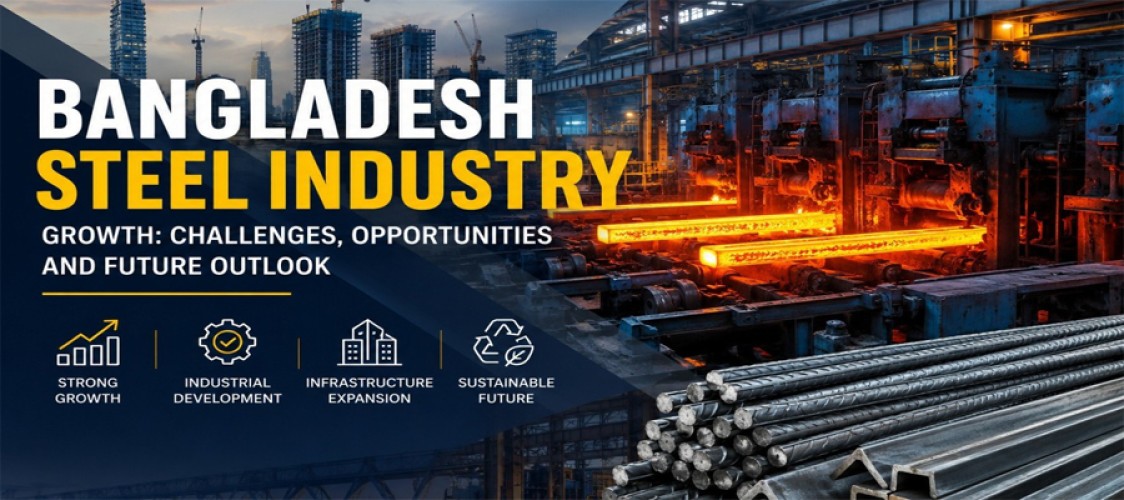
The steel industry has emerged as one of the most important pillars of Bangladesh's industrial and economic development. As the country continues its transformation toward becoming a middle-income economy, the demand for steel products has increased significantly across multiple sectors, including construction, infrastructure, manufacturing, shipbuilding, automotive, energy, and engineering. Over the past two decades, Bangladesh has witnessed remarkable growth in steel consumption, driven by rapid urbanization, industrial expansion, government infrastructure projects, and increasing private-sector investments.
Today, Bangladesh is recognized as one of the fastest-growing steel markets in South Asia. Despite global economic uncertainties, supply chain disruptions, and fluctuations in raw material prices, the country's steel industry has demonstrated resilience and strong long-term growth potential. The sector continues to play a crucial role in supporting economic development, creating employment opportunities, and strengthening industrial capabilities. This article explores the current state of Bangladesh's steel industry, the key factors driving its growth, the challenges it faces, emerging opportunities, and its future outlook.
Overview of Bangladesh's Steel Industry
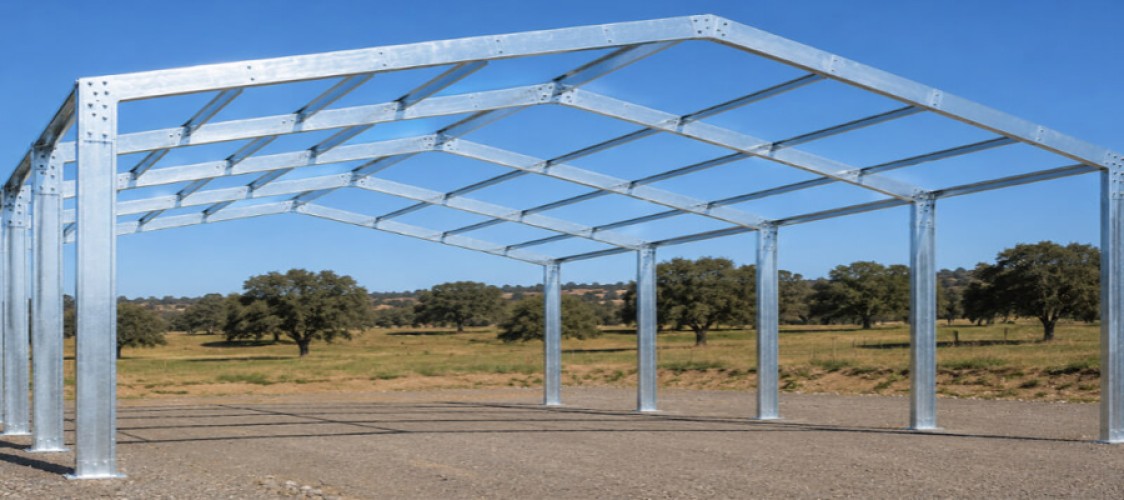
Bangladesh's steel industry has evolved significantly over the years and now consists of re-rolling mills, billet manufacturing facilities, and integrated steel production plants. The industry produces a wide range of products, including reinforcement bars, structural steel, wire rods, angles, channels, sheets, coils, pipes, tubes, and various industrial steel products used across multiple sectors.
The country currently hosts more than 400 steel and re-rolling mills of varying capacities. Major domestic manufacturers have invested heavily in modern technologies and advanced production systems, enabling them to improve efficiency and meet international quality standards. As a result, the steel sector has become an important contributor to the national economy through industrial development, infrastructure growth, employment generation, and support for export-oriented industries.
With increasing domestic demand and ongoing investments in major infrastructure projects, the steel industry is expected to remain one of Bangladesh's strongest and most promising industrial sectors in the years ahead.
Key Drivers Behind Steel Industry Growth
One of the most significant drivers of steel industry growth in Bangladesh is rapid urbanization. The country is experiencing one of the fastest rates of urban growth in Asia, with millions of people moving to cities every year. This migration has created increasing demand for residential housing, commercial buildings, shopping complexes, industrial facilities, and transportation infrastructure. Since construction remains the largest consumer of steel products, urbanization continues to be a powerful force behind industry expansion.
Government-led infrastructure development has also played a major role in boosting steel demand. Over the past decade, Bangladesh has undertaken several large-scale infrastructure projects that require substantial quantities of steel. Projects such as the Padma Bridge, Dhaka Metro Rail, Matarbari Deep Sea Port, Rooppur Nuclear Power Plant, elevated expressways, railway expansion programs, and various economic zones have significantly increased domestic steel consumption. These developments have encouraged local manufacturers to expand production capacities and invest in modern technologies.
Industrial expansion is another major contributor to steel demand. Bangladesh's industrial sector continues to grow rapidly, particularly in textiles, garments, pharmaceuticals, electronics, food processing, and light engineering. The establishment of new factories, warehouses, and industrial parks requires significant quantities of structural steel and construction materials, creating continuous opportunities for steel producers.
The growth of foreign direct investment has further strengthened the industry's prospects. Bangladesh's strategic geographic location, competitive labor costs, large domestic market, and strong economic performance have attracted increasing interest from international investors. As foreign companies establish manufacturing facilities and industrial operations in the country, the demand for steel products continues to rise.
Additionally, the expansion of the middle-class population has increased investments in housing, commercial properties, and consumer infrastructure. This trend has further accelerated steel consumption across both urban and emerging suburban areas.
Current Market Trends
The Bangladesh steel industry is currently undergoing significant modernization. Leading manufacturers are investing in advanced manufacturing technologies, including automated rolling mills, energy-efficient furnaces, digital quality-control systems, Industry 4.0 technologies, and smart manufacturing solutions. These investments help improve productivity, reduce waste, enhance product quality, and strengthen competitiveness.
Capacity expansion has become another notable trend within the industry. Many steel producers are increasing production capacities to meet future demand and capitalize on anticipated market growth. New plants and modernization projects are enabling companies to improve operational efficiency while maintaining cost competitiveness.
Quality standards are also becoming increasingly important. Customers today demand higher-quality steel products that meet international standards and specifications. As a result, manufacturers are investing in certification programs, quality management systems, and advanced testing facilities to improve reliability and gain customer confidence.
Sustainability has emerged as a growing focus area within the industry. Environmental concerns are encouraging steel manufacturers to adopt greener production practices, invest in energy-efficient technologies, implement waste recycling systems, and pursue emission-reduction initiatives. Sustainability is increasingly becoming a competitive advantage for companies looking to strengthen their market position.
Major Challenges Facing Bangladesh's Steel Industry
Despite its impressive growth trajectory, Bangladesh's steel industry faces several important challenges that require strategic attention. One of the most significant challenges is the industry's heavy dependence on imported raw materials. Bangladesh imports a large portion of its scrap metal, billets, iron ore, and coking coal from international markets. This reliance exposes manufacturers to global price fluctuations, currency volatility, and supply chain disruptions.
Energy costs and supply issues also present major challenges. Steel production is highly energy-intensive, and rising electricity and gas prices can significantly increase operational costs. Any instability in energy supply can further impact productivity and reduce manufacturing efficiency.
Global economic uncertainty continues to affect the sector as well. Inflation, geopolitical tensions, trade disruptions, and fluctuations in international shipping costs can influence raw material availability and overall business performance. These factors create additional pressure on manufacturers attempting to maintain profitability and competitiveness.
Environmental compliance requirements are becoming increasingly stringent. Governments, financial institutions, and international stakeholders are demanding more sustainable production methods and lower carbon emissions. To meet these expectations, steel manufacturers must invest in emission-control technologies, waste-management systems, energy-efficient equipment, and environmentally responsible production practices. While these investments are necessary, they often require substantial capital expenditure.
Financing and investment constraints remain another challenge, particularly for small and medium-sized steel manufacturers. Access to affordable financing is often limited, making it difficult for companies to modernize operations, adopt advanced technologies, and expand production capacity.
Emerging Opportunities for the Steel Sector
Despite these challenges, Bangladesh's steel industry offers significant opportunities for growth and investment. One of the most promising opportunities lies in the country's extensive infrastructure development pipeline. Bangladesh has ambitious plans for transportation networks, ports, railways, airports, power-generation facilities, and economic zones. These projects are expected to sustain strong steel demand well beyond 2030.
The development of Special Economic Zones (SEZs) also creates new opportunities for steel manufacturers. These zones are attracting domestic and foreign investors who require industrial facilities, warehouses, and supporting infrastructure, all of which contribute to increased steel consumption.
Export potential represents another important opportunity. As local manufacturers continue to improve quality standards and production capabilities, Bangladesh has the potential to export steel products to markets across South Asia, Southeast Asia, the Middle East, and Africa. Competitive pricing and improved manufacturing efficiency could strengthen the country's position in regional steel markets.
Green steel production is becoming increasingly important worldwide. Global customers and industries are seeking environmentally sustainable materials and low-carbon production methods. Companies that invest in renewable energy integration, recycling technologies, and sustainable manufacturing practices may gain a significant competitive advantage in the future.
Technology and digital transformation also offer substantial opportunities. The adoption of automation systems, predictive maintenance solutions, advanced analytics, and digital supply-chain management can help manufacturers reduce costs, improve efficiency, and enhance product quality.
Investment Opportunities in Bangladesh's Steel Industry
Bangladesh's rapidly expanding steel sector presents attractive investment opportunities for both domestic and international investors. Growing market demand supports investment in integrated steel plants, rolling mills, billet manufacturing facilities, and structural steel production units.
There is also increasing demand for value-added steel products used in construction, engineering, industrial equipment, and automotive applications. Investors can benefit from opportunities in steel processing and fabrication facilities that cater to these growing markets.
Steel recycling and scrap processing represent another promising investment area. As sustainability becomes more important, recycling initiatives are gaining momentum and creating opportunities for companies involved in scrap collection, processing, and circular-economy solutions.
Technology providers can also find significant opportunities within the industry. Demand is growing for automation systems, industrial software solutions, energy-management technologies, and advanced quality-control systems that support manufacturing modernization.
Future Outlook: Bangladesh Steel Industry 2030 and Beyond
The long-term outlook for Bangladesh's steel industry remains highly positive. The country's strong economic fundamentals, combined with ongoing industrialization and infrastructure investment, provide a solid foundation for continued growth.
Per capita steel consumption in Bangladesh remains relatively low compared to many developed and emerging economies. As income levels rise and infrastructure development continues, steel consumption is expected to increase substantially over the coming years.
Construction activities are also expected to remain strong. Rising demand for housing, urban development projects, commercial real estate, and industrial facilities will continue to support steel consumption for decades to come. Industrial modernization will further strengthen the sector. Manufacturers that invest in advanced technologies, automation, and sustainable production methods will improve productivity and enhance global competitiveness.
Regional trade integration and improved connectivity may also create new export opportunities for Bangladeshi steel producers. Industry analysts believe Bangladesh has the potential to become one of South Asia's most important steel markets over the next decade.
The Role of Metal Expo Bangladesh 2026
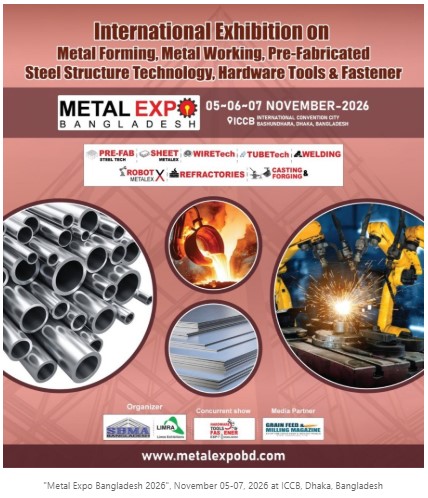
As Bangladesh's steel and metal industries continue to evolve, industry exhibitions play a vital role in connecting manufacturers, suppliers, investors, technology providers, and policymakers. Metal Expo Bangladesh 2026 will serve as a premier international platform showcasing the latest innovations in steel manufacturing technologies, metal-processing machinery, industrial automation solutions, welding technologies, foundry equipment, raw materials, engineering innovations, and sustainable manufacturing systems.
Scheduled to take place from 05–07 November 2026 at ICCB, Dhaka, Bangladesh, the exhibition will provide valuable opportunities for business networking, technology transfer, investment partnerships, market expansion, and knowledge sharing. Industry professionals from Bangladesh and around the world will gather to explore emerging trends, discover new technologies, and build strategic partnerships that contribute to the future growth of the country's metal and steel sectors.
Conclusion
Bangladesh's steel industry stands at a critical stage in its development journey. Supported by urbanization, infrastructure expansion, industrial growth, and increasing investment, the sector has become a major contributor to the country's economic transformation. Although challenges such as raw material dependency, energy costs, environmental compliance, and global market volatility remain, the opportunities for growth are substantial.
Technological advancement, sustainable manufacturing, export expansion, and large-scale infrastructure development provide a strong foundation for future success. For manufacturers, investors, suppliers, and industry stakeholders, Bangladesh offers one of the most promising steel markets in South Asia. Companies that embrace innovation, sustainability, and strategic investment will be well positioned to benefit from the next phase of industrial growth.
As the industry progresses toward 2030 and beyond, Metal Expo Bangladesh 2026 will continue to play an important role in fostering collaboration, showcasing innovation, and accelerating modernization across the country's steel and metal sectors. The future of Bangladesh's steel industry is not only about producing more steel—it is about building the infrastructure, industries, and economic foundations that will shape the nation's prosperity for generations to come.
You
can read South Asia's famous agricultural magazine on agricultural
reports through this link: https://gfmdhaka.com/
---












Copyright © 2026 LIMRA Exhibitions. All Rights Reserved.
Website Design & Development ♡ MY SOFT IT
 EN
EN
 Chinese
 Turkish
 Indonesian
 German
 French
 Spanish
 Portuguese
 Russian
 Italian